
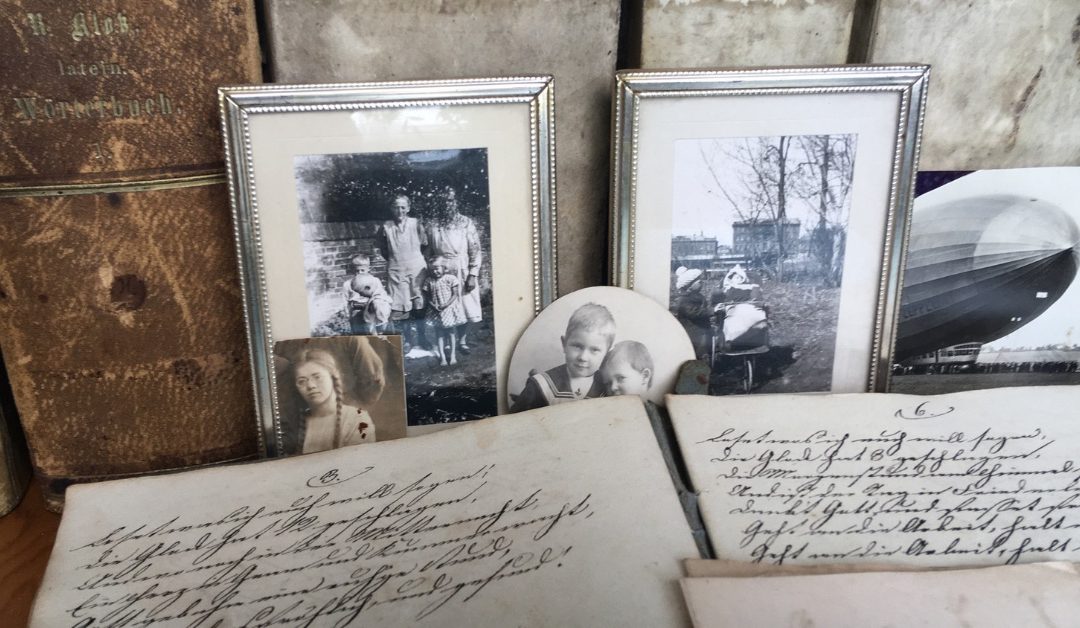
In this post, we’ll break down why citations matter, how to create them effectively, and practical tips for making your research both credible and usable for others. By the end, you’ll understand how proper citation can elevate your reputation as a professional genealogist and make your research more valuable to clients.
The Need to Understand
Citations aren’t just about giving directions to the original record. They also communicate how a record should be interpreted. Every source has limitations, biases, or context that affects the weight of its information.
For example, a census record may list ages or names inaccurately, a family Bible may contain transcription errors, and a deed may have legal language that needs careful reading. Your citation should make other researchers aware of these nuances. In professional genealogy, this interpretive data is just as important as the location data.
When you provide complete citations, you’re not only supporting your own conclusions, you’re also teaching others how to evaluate sources critically.
General Guidelines for Professional Source Citation
Certified genealogists and experienced researchers follow a few key rules for documenting sources. These guidelines ensure your work meets professional standards and builds client trust:
- Every fact that isn’t common knowledge must have its own source citation. Even a small detail, like a birthdate or place of residence, needs a documented source.
- Every photocopied document should have the citation clearly attached. This keeps the provenance clear even if the copy is separated from your notes.
- Every abstract or summary of a document should include a complete citation. Whether it’s for internal use, a report, or sharing with a client, attach the source to every piece of data.
- Every chart or group sheet must include references. Ancestor charts, pedigree charts, and descendanct charts should all have footnotes or reference notes pointing to the original sources.
- Formatting matters. Italicize or underline titles of published books, magazines, newspapers, and microfilm collections. Use quotation marks for articles, chapters, or unpublished manuscripts.
Following these principles not only protects your reputation but also saves you time when revisiting old research. A well-cited file is easy to review, easy to share, and easy to defend.
Tools and Resources for Creating Citations
Some genealogists cringe at the thought of learning citation standards, thinking it’s too time-consuming. The truth is, there are many tools available to make this process simple and efficient:
Citation Manuals: Books like Evidence Explained: Citing History Sources from Artifacts to Cyberspace by Elizabeth Shown Mills are the gold standard for professional genealogists. They break down citation formats for virtually every type of source you might encounter.
Genealogy Software: Programs like RootsMagic, Legacy Family Tree, and Family Tree Maker include built-in citation templates, helping you attach sources quickly and consistently.
Online Resources: Platforms like FamilySearch and Ancestry provide guidance on documenting records they host. Even using templates or examples from these sites can ensure your citations are correct.
Spending even a small amount of time mastering source citation pays dividends. High-paying clients want research they can trust, and clean, well-documented citations are a direct reflection of your professionalism.


Practical Tips for Everyday Citation
Here are some strategies for implementing citations consistently in your research workflow:
- Cite as You Go: Don’t wait until your research is complete. Adding citations in real-time prevents mistakes and saves time later.
- Keep a Source Log: Maintain a spreadsheet, database, or dedicated notebook for all sources. Include URLs, book details, archive references, and notes on reliability.
- Use Standard Abbreviations and Formats: For example, “b.” for birth, “d.” for death, “m.” for marriage. This consistency makes your citations easier to read and understand.
- Attach Copies Where Possible: Photocopies or scanned images of documents with citations embedded help preserve the provenance of your sources.
- Review and Verify: Before publishing a report or delivering research to a client, double-check every citation. Make sure every claim is supported and every document is properly identified.
Proper source citation is not optional for professional genealogists, it’s fundamental. It ensures your work can be verified, interpreted, and trusted by others. Well-documented sources distinguish professionals from hobbyists and reflect the quality, accuracy, and integrity of your research.
Investing time in mastering citations is inexpensive compared to the benefits. Whether you use citation manuals, genealogy software, or online templates, consistent and thorough documentation builds client trust, protects your reputation, and enhances the long-term value of your work.
Remember: quality genealogy starts with quality documentation. Every book, article, and original record you cite properly becomes part of a trusted research legacy that both you and your clients can rely on for generations.